
Preparing for Divorce in Carson City: Documents to Gather Before Your Consultation
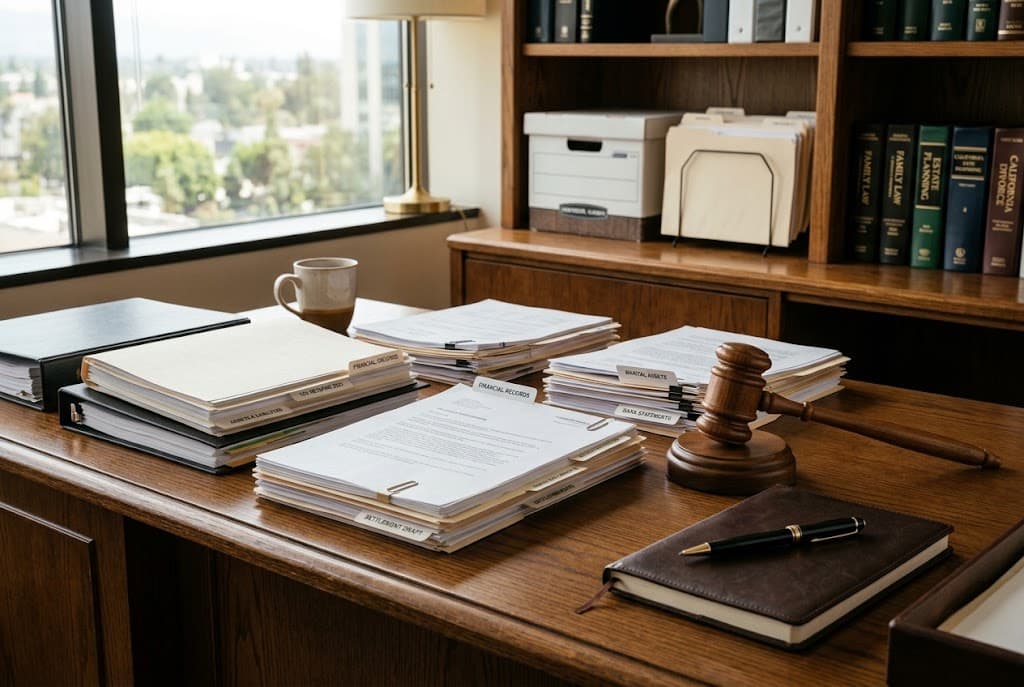
Preparing for divorce often involves practical questions before legal answers become clear. You may be concerned about housing, monthly bills, parenting arrangements, or access to financial information. Organizing available records can help you explain those concerns during an initial consultation.
You do not need a complete file before contacting a divorce attorney in Carson City. However, useful documents can give the attorney a clearer picture of your circumstances and help identify matters that require immediate attention.
The following preparation guidelines describe records commonly worth gathering. The documents you need will depend on the facts, applicable rules, and any court orders.
Write a Short Marriage Timeline
Prepare a summary identifying when and where you married, whether you have separated, and where each spouse currently lives. Include the names and ages of your children, if applicable.
Note any existing court proceedings or prior agreements. Bring a marriage certificate when available and any prenuptial or postnuptial agreement, including amendments.
Keep your summary factual. A simple timeline helps establish context without requiring you to recount every disagreement immediately. Identify urgent concerns separately, such as a pending hearing, recently served papers, or a safety issue that should be discussed first.
Collect Income Information
Gather pay statements, available tax returns, and records identifying other income. Explain whether earnings are consistent or vary because of commissions, overtime, seasonal employment, or contract work.
If you are self-employed, bring available business records showing income and expenses. Note whether business accounts have been used for household spending.
Nevada divorce procedures can require financial disclosures. Accurate records help support preparation of those disclosures, but confirm the applicable requirements for your case.
If you lack your spouse’s records, describe what you know and identify the missing information. Do not delay consultation solely because those documents are unavailable.
Gather Account Statements
Make a list of bank, investment, and other financial accounts you know exist. Include accounts held jointly and those in your own name.
Bring statements you can lawfully access. If a particular transaction concerns you, note its date and amount and preserve the relevant record.
Avoid drawing conclusions from a single entry without context. A transfer may raise questions, but your attorney will need additional information to evaluate its significance.
Account names alone may not resolve property classification. Explain when accounts were opened, how funds were deposited, and whether you have records showing the source of significant contributions.
Identify Real Estate and Personal Property
Gather available deeds, mortgage statements, vehicle records, and documents concerning other significant assets. Include business ownership information when applicable.
Explain when you acquired each property and whether you believe it came from an inheritance, a gift, or ownership before marriage. Bring supporting records where possible.
Nevada law generally directs equal disposition of community property, with exceptions allowing an unequal disposition for a compelling reason stated in writing. Applying that framework to specific assets requires individual analysis.
Your consultation should identify questions about ownership and classification. Avoid assuming that every asset must be divided identically or that a particular outcome is guaranteed.
Prepare a Debt List and Budget
List mortgages, vehicle loans, credit cards, personal loans, and other known obligations. Include current balances, usual payments, and the names appearing on the accounts.
Create a household budget using actual expenses when possible. Housing, utilities, food, transportation, insurance, and childcare can provide a useful starting point. Separate confirmed figures from estimates. If separation may change your living expenses, explain the anticipated changes.
These records help frame practical financial questions during the case. They do not establish that a court will order a particular support amount. Financial arrangements require consideration of the relevant facts and legal standards.
Include Retirement and Insurance Records
Retirement accounts are sometimes overlooked because they are separate from everyday spending. Gather available statements for pensions, employer plans, and individual retirement accounts.
Include information about outstanding plan loans and any documents explaining benefits. Your attorney can tell you whether you need additional records. Bring health insurance information, particularly if coverage depends on your spouse’s employment. Identify your children’s coverage and any recurring medical expenses.
Do not withdraw retirement funds, cancel coverage, or change important arrangements simply to prepare for consultation. Ask about potential legal, financial, and tax consequences before taking action that could affect the case or your household.
Organize Parenting Information
If children are involved, describe their current routines and needs. Useful records may include school schedules, childcare information, medical records, and existing parenting agreements or orders.
Explain who currently handles transportation, appointments, and everyday responsibilities. Note work schedules or other practical circumstances that may affect proposed arrangements. Keep observations specific and factual. A dated description of an event is more useful than an unsupported accusation.
Tell your attorney about safety concerns promptly. Document preparation should never become a reason to postpone necessary assistance. The relevance and appropriate use of particular records will depend on the circumstances and applicable protections.
Preserve Records Without Improper Access
Gathering documents does not authorize you to access another person’s accounts, guess passwords, or install monitoring software.
Use records you already possess or can lawfully obtain. List information that is missing and ask about appropriate procedures for requesting it.
Preserve relevant communications with their context. Avoid editing messages or deleting material because it seems unfavorable. Ask your attorney about document preservation and secure transmission.
Store your consultation notes carefully, especially if you share household devices. Organization should help clarify facts while respecting privacy and legal boundaries. If you're unsure how to obtain a record, seek guidance before trying to access it.
Prepare Questions for Your Consultation
Write down your immediate priorities and bring any papers already received from a court or your spouse. Deadlines may require attention before the rest of your documents are organized.
Ask about the likely next steps, additional information needed, and the terms of any proposed representation. A consultation can help identify issues without promising a particular resolution.
For information about a family law consultation, contact the Law Office of Mark A. Marsh in Carson City at (775) 882-8880 or visit markamarsh.com.
Disclaimer: This blog provides general educational guidelines about Nevada legal matters. It is not legal advice and should not be relied upon to make decisions about a particular situation. Laws, procedures, and individual circumstances can affect the applicable requirements and available options. Reading this blog or contacting the office does not, by itself, establish an attorney-client relationship. Consult a licensed attorney for advice specific to your circumstances. No outcome is promised or guaranteed.