
Slip and Fall Injuries in Carson City: What Evidence Should You Preserve?
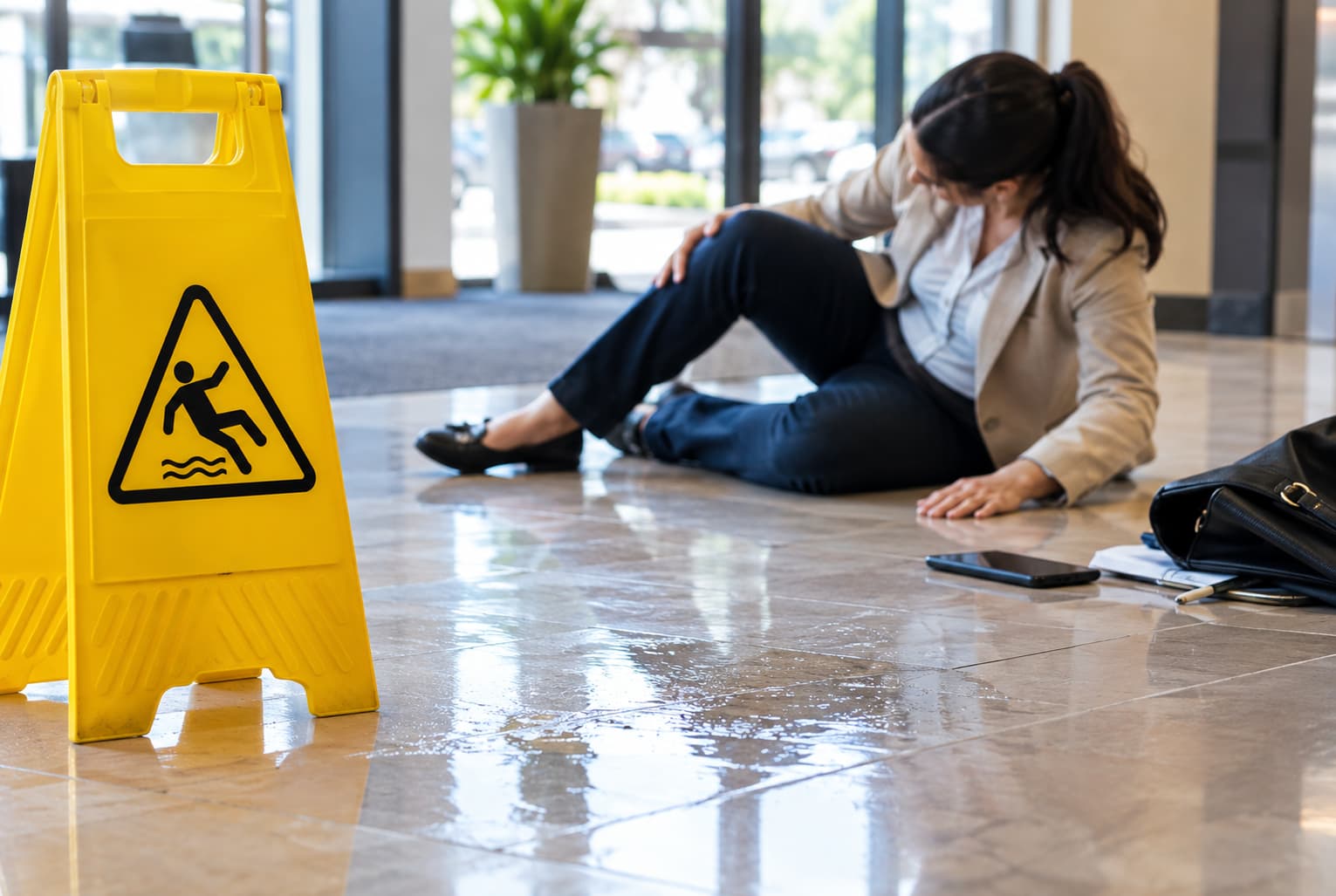
A slip and fall can happen during an ordinary errand, a visit to an office, or a walk through a parking area. Afterward, you may be focused on pain, embarrassment, or getting home. Details about the location can quickly become harder to remember.
Preserving available evidence may help explain what happened and allow an attorney to evaluate a potential claim. However, a fall on someone else’s property does not automatically establish liability or entitlement to compensation.
For people injured in Carson City, appropriate care and immediate safety come first. These guidelines describe information that may be useful without determining responsibility for a particular incident.
Address Safety and Medical Needs
If you need emergency assistance, request help immediately. Do not delay treatment to collect photographs or complete an incident report.
Avoid returning to a hazardous location solely to document it. Someone else may be able to help if it is safe and permitted.
Describe your symptoms and the event accurately to a medical provider. Ask questions about recommended care, and keep treatment records available.
Your health should guide medical decisions. You cannot determine the extent of an injury simply from the floor's appearance, your initial discomfort, or whether you managed to stand after the fall.
Identify the Exact Location
Record where the incident occurred as specifically as possible. Include the business or property name, address, and the area within the premises.
A description such as “near the entrance” may be helpful, but additional details can provide context. Note a doorway, aisle number, stairway, or other identifiable feature.
Write down the approximate time and date. Distinguish what you remember clearly from estimates.
Accurate location information can help identify potentially relevant records, witnesses, or cameras. It may also help clarify which property arrangements require investigation, rather than assuming that a visible business name identifies every potentially relevant party.
Photograph Conditions When Practical
If safe, photograph the area where you fell. Include wider views and closer images of the condition you believe contributed to the incident.
Relevant details might include a liquid, an uneven surface, a loose mat, a step, lighting conditions, or an obstruction. Capture nearby signs and the surrounding layout.
Do not stage the scene, move objects to strengthen your account, or alter images in misleading ways. Preserve original files.
A photograph may show a condition at a particular moment, but it may not establish how long that condition existed. Evaluate its meaning alongside other information rather than treating it as complete proof.
Report the Incident Factually
When appropriate, notify a manager, property representative, or other responsible contact. Explain what occurred using facts you know.
Ask whether an incident report is being prepared and whether you can get a copy. Keep your own notes identifying whom you notified and when.
Reporting can create a record, but it does not replace medical care or establish legal liability. Avoid signing a statement you have not read or do not understand.
If someone records your account incorrectly, ask about an appropriate correction. Preserve correspondence and explain any unresolved issue to your attorney instead of silently changing your personal copy.
Identify Witnesses and Recordings
A witness may have seen the fall, the surrounding conditions, or an earlier report about the area. Request contact information when appropriate.
Note what each person directly observed. Someone who arrived afterward may provide useful information, but that differs from witnessing the incident itself.
Identify cameras that may have recorded relevant events and tell your attorney promptly. Recordings may be overwritten or become unavailable.
Do not assume that a business must immediately provide every requested video. Preservation and access can involve legal procedures. Avoid entering private areas or accessing recording systems without authorization.
Preserve Relevant Personal Items
Keep the footwear and other items involved in the incident when practical. Their condition may help explain what happened.
Photograph visible damage to belongings and save available receipts or replacement estimates. Avoid making unsupported assumptions about which losses will be recoverable.
Do not alter an item because you think it would look better as evidence. If ordinary use or disposal is necessary, ask about appropriate documentation first.
Tell your attorney what you retained and what is no longer available. Missing an item does not allow you to recreate it or present a substitute as the original. Accuracy remains essential throughout the process.
Keep Medical and Expense Records
Organize available medical records, bills, prescription information, and follow-up instructions. Include relevant transportation expenses and documentation of missed work.
A short, dated record can help you remember appointments and practical difficulties. Describe specific limitations without exaggerating symptoms or making unsupported medical conclusions.
Explain relevant prior conditions honestly. An earlier injury may require analysis, but concealing it is not an appropriate response.
Evaluate the relationship between the fall, treatment, and claimed losses individually. Documentation supports that evaluation; it does not guarantee reimbursement of every expense or establish a particular settlement value.
Understand Why Context Matters
Nevada premises liability decisions examine reasonable care under the circumstances. Questions about a condition, warnings, notice, and the conduct of those involved can affect the analysis.
An obvious condition does not necessarily end every inquiry, but it may still be relevant. Likewise, the absence of a warning does not by itself establish liability.
Provide accurate information even when a detail seems unfavorable. An attorney needs the complete circumstances to evaluate possible issues.
Avoid relying on a friend’s experience or an online estimate. Different facts, legal duties, available evidence, and insurance arrangements can produce different outcomes.
Obtain Guidance Before Final Decisions
Read insurance requests and proposed releases carefully. Ask what a document covers before signing, particularly if treatment or expenses remain unresolved.
Filing deadlines may require attention, so do not assume ongoing insurance discussions preserve every legal option.
For information about a slip and fall consultation, contact the Law Office of Mark A. Marsh in Carson City at (775) 882-8880 or visit markamarsh.com. Bring available incident records. Explain any urgent dates or missing information so the consultation can focus on the relevant unresolved questions.
Disclaimer: This blog provides general educational guidelines about slip and fall incidents and potential Nevada injury claims. It is not legal advice and does not determine liability, entitlement to compensation, or claim value. Laws, deadlines, and individual circumstances affect available options. Reading this blog or contacting the office does not, by itself, establish an attorney-client relationship. Consult a licensed attorney for advice specific to your circumstances. No outcome is promised or guaranteed.