Truck Accidents in Northern Nevada: Why These Injury Claims Can Be Complex
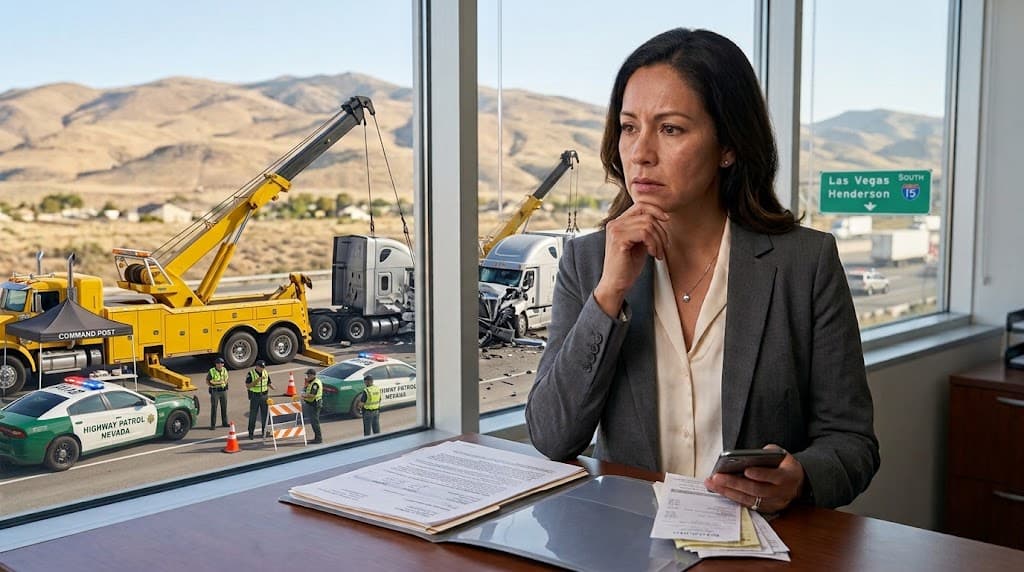
A collision involving a large truck can disrupt nearly every part of daily life. Medical treatment, missed work, vehicle damage, and uncertainty about recovery often arrive at the same time.
For people traveling through Carson City and Northern Nevada, truck accident claims can raise questions that go beyond a typical insurance exchange. Understanding those questions helps injured people organize information and get the right guidance. A truck accident attorney in Northern Nevada can evaluate the facts without assuming the vehicle's size establishes liability or guarantees compensation.
Start With Health and Immediate Safety
After a collision, address emergency needs first. Contact emergency services when necessary and follow instructions from responding personnel.
Seek appropriate medical evaluation, particularly when symptoms appear or change after the initial incident. Tell providers accurately how the collision occurred and what you are experiencing.
Follow recommended treatment and explain barriers to attending appointments. Health should guide medical decisions rather than assumptions about a claim’s value.
If you can safely do so, preserve basic information about the vehicles, drivers, witnesses, and location. Do not stay in traffic or approach damaged equipment just to take photos.
Understand Why Liability May Be Complicated
A truck collision may involve the driver, a transportation company, a maintenance provider, a cargo handler, or other parties. Their potential responsibility depends on evidence and applicable law.
Ownership alone does not establish that every connected business is liable. Investigators may need to examine employment relationships, contracts, operational control, maintenance duties, and the cause of the collision.
A mechanical problem raises different questions than an unsafe lane change or improperly secured cargo. Multiple contributing factors can also overlap.
An attorney can assess which parties warrant investigation and whether the available evidence supports a claim against them.
Recognize the Role of Safety Requirements
Some commercial trucking operations are subject to federal safety requirements concerning driving time and rest. Applicability can depend on the vehicle, operation, and relevant exceptions.
Other safety questions may concern driver qualifications, vehicle condition, loading practices, or compliance with applicable state requirements.
A suspected violation is a reason to investigate, not proof that a particular rule applied or caused the collision. Likewise, apparent compliance with one requirement does not resolve every negligence question.
Avoid drawing conclusions from an unfamiliar regulation quoted online. A case-specific review connects the correct legal requirements with the driver’s conduct and the available evidence.
Preserve Evidence Before It Disappears
Relevant evidence may include photographs, witness accounts, dispatch communications, maintenance information, driving records, and electronic data associated with the truck.
Some information may be overwritten, lost, or become harder to locate over time. Prompt legal review can help identify appropriate preservation requests and investigative steps.
Keep your own photographs, messages, receipts, and collision-related documents in an organized folder. Preserve original files where possible.
Do not attempt to access company systems or another person’s private accounts. Evidence collection must follow lawful procedures. An attorney can evaluate which records you can request and how to request them properly.
Review Insurance Without Assuming Coverage
Commercial truck claims may involve insurance policies different from those covering a typical passenger vehicle. Policy limits, exclusions, covered parties, and competing claims can affect available coverage.
A large truck does not guarantee a specific settlement amount or sufficient insurance for every loss. Coverage questions require review of the actual policies and circumstances.
Notify your insurer as required by your policy and keep copies of claim correspondence. Ask questions when you do not understand a requested document.
Before signing a release or accepting payment intended to settle a claim, understand what rights and claims the agreement addresses.
Document Financial and Personal Losses
Medical bills and wage records can help document financial losses. Receipts may also show transportation expenses, replacement services, or other costs connected to the injuries.
Maintain a factual record of how symptoms affect sleep, mobility, household responsibilities, and ordinary activities. Describe concrete limitations without exaggeration.
Future treatment needs and reduced earning ability may require additional medical or financial evaluation. Do not estimate them solely from a brief internet calculation.
Different losses raise different proof requirements. An attorney can explain what information may support a claim and which requested amounts require further documentation or professional assessment.
Consider Fault and Conflicting Accounts
Drivers and witnesses may disagree about speed, following distance, lane position, traffic signals, or events immediately before impact.
Nevada law can make an injured person’s share of responsibility important to whether compensation is available and how much may be recovered. The analysis requires attention to the facts and applicable rules.
A police report can provide useful information, but it does not necessarily resolve every civil liability issue. Physical evidence, testimony, and other records may also matter.
Provide a complete account to your attorney, including facts you believe could be unfavorable. Accurate information supports a realistic evaluation of the claim.
Be Careful With Statements and Deadlines
Insurance representatives may request recorded statements, authorizations, or additional information. Ask who is requesting the material, why they need it, and what its scope includes.
Provide truthful information, avoid guessing, and obtain guidance when a request raises concerns. Broad medical authorizations may require particular review.
Social media posts can also become relevant. Avoid speculating publicly about fault, injuries, or settlement discussions, and do not destroy existing evidence.
Filing deadlines depend on the claim type and other circumstances. Claims involving government entities or additional legal issues may have special requirements, so seek advice promptly.
Prepare for a Northern Nevada Consultation
Bring collision details, insurance correspondence, medical information, photographs, and a timeline of important events. Identify upcoming appointments and immediate financial concerns.
The Law Office of Mark A. Marsh in Carson City can answer questions about a truck accident claim and what information is needed to evaluate your circumstances. Call (775) 882-8880 or visit markamarsh.com to request a consultation.
Early organization helps connect the accident evidence with your treatment and losses, allowing a clearer discussion of the available legal options. Bring your questions and keep copies of submitted documents.
Disclaimer: This article provides general educational information and guidelines, not legal or medical advice. Liability, insurance coverage, deadlines, and recoverable damages depend on the facts and applicable law. Reading this article or contacting the office does not, by itself, establish an attorney-client relationship. Consult a qualified attorney about your claim and a healthcare professional about medical concerns. No recovery or settlement amount is guaranteed.