Writing Your First Will in Nevada: Questions to Discuss With an Attorney
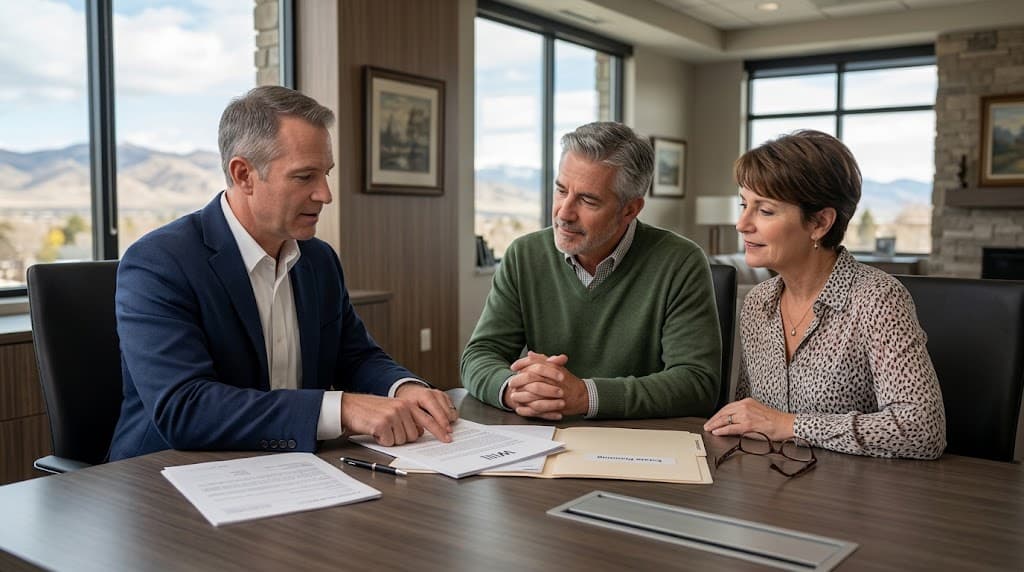
Writing your first will can feel like a task for another stage of life. You may believe that your finances are too simple, your family already understands your wishes, or you need to make every decision before speaking with an attorney.
A will can provide written instructions about property and identify people you would like to handle important responsibilities. Preparing one begins with understanding your circumstances and the questions that need attention.
For adults in Carson City and Northern Nevada, a consultation offers an opportunity to turn general intentions into clearer planning decisions. These guidelines explain questions worth discussing when creating a will in Nevada.
What Do I Want My Will to Accomplish?
Start by describing your priorities in ordinary language. You might want to provide for family members, leave particular possessions to friends, or support an organization.
Explain which concerns matter most and where you remain uncertain. You do not need to arrive with legal language or a complete distribution formula.
Ask what a will can accomplish and which goals may require other arrangements. A will does not automatically avoid probate or address every situation involving your health and finances.
Understanding its purpose helps you make decisions that fit your circumstances rather than treating the document as a universal solution.
Which Property Would My Will Govern?
Prepare a list of significant property, including real estate, accounts, vehicles, business interests, and valuable possessions. Identify ownership arrangements and existing beneficiary designations.
Some assets may pass through arrangements outside the will. Ask how those transfers could interact with your proposed instructions.
For example, naming someone in a will may not change an existing retirement account beneficiary. Account rules and governing documents require separate review.
Bring available statements and ownership records. A practical discussion should distinguish what you own, how it is held, and which documents influence its transfer. Avoid assuming that a general gift controls everything automatically.
Who Should Receive Property?
Identify intended beneficiaries clearly and consider what should happen if someone dies before you. Ask how alternate beneficiaries and the remaining estate can be addressed.
Specific gifts may need careful descriptions. A family keepsake, business interest, or particular account can raise different questions.
Discuss any intention to exclude a relative or provide unequal gifts. Sensitive decisions should be explained accurately so the attorney can evaluate relevant legal issues.
Do not assume that informal promises will be enforceable or that every instruction can be implemented exactly as imagined. Clear drafting depends on your goals, applicable law, and the surrounding circumstances.
Who Could Serve as Executor?
Think about someone who is trustworthy, organized, and willing to accept responsibility. An executor nomination can involve substantial practical work after death.
Ask what the role entails and whether your proposed choice is suitable. Discuss an alternative if the first person cannot serve.
A nomination does not necessarily give someone immediate authority without required legal procedures. Understanding that distinction helps set realistic expectations.
Before finalizing your choice, consider speaking with the person about willingness and availability. Personal closeness matters, but the ability to manage records, communicate appropriately, and seek assistance when needed also deserves attention.
How Should I Address Minor Children?
If you have minor children, ask about nominating a guardian and arranging management of property intended for them.
These are related concerns, but they are not necessarily the same responsibility. Your preferences should be discussed alongside family circumstances and applicable legal requirements.
A guardian nomination expresses a preference rather than guaranteeing a future court decision. Explain any concerns involving the child’s needs or proposed caregiver.
Ask whether additional planning arrangements would be appropriate for younger beneficiaries. Consider practical questions about management and timing instead of assuming that naming a child directly answers every issue involving an inheritance.
Are There Special Beneficiary Circumstances?
Tell your attorney if a beneficiary receives public benefits, has difficulty managing money, or faces other circumstances that may affect planning.
An outright gift may deserve closer evaluation in some situations. Specialized arrangements could be appropriate, but their suitability depends on individual facts.
Describe the intended support and avoid assuming that a restriction or condition will necessarily produce the desired result.
You may also want to discuss beneficiaries living elsewhere or gifts to organizations. Accurate identifying information and thoughtful questions help reveal issues that require additional investigation before the document is prepared and signed.
How Must the Will Be Signed?
Nevada generally requires a conventional will to be written, signed, and attested by at least two competent witnesses who sign in the testator’s presence. Separate rules apply to certain other wills.
Ask your attorney to explain the signing procedure and appropriate witnesses. Do not assume that notarization alone satisfies every requirement.
If illness, mobility, or communication concerns could affect signing, discuss them in advance. Appropriate arrangements depend on the applicable rules.
Execution deserves the same attention as wording. A document reflecting your wishes may still create problems if required formalities are overlooked or the signing circumstances are unclear.
What Other Documents Should Be Reviewed?
Ask whether powers of attorney, healthcare documents, beneficiary designations, or trust arrangements deserve separate consideration. Their purposes differ from a will.
Bring any existing documents, even if they were prepared elsewhere. Explain relevant family agreements and significant ownership arrangements.
Coordination helps identify inconsistent instructions and gaps. It does not mean every person needs the same collection of documents.
After signing, ask where to store originals and how appropriate people can locate them. Discuss future review after important changes. A useful plan includes both legal preparation and practical access to the documents when needed.
Begin Your First Will Discussion
You do not need perfect answers before seeking guidance. Bring an asset list, family information, and your questions.
For information about preparing a will, contact the Law Office of Mark A. Marsh in Carson City at (775) 882-8880 or visit markamarsh.com. Explain any urgent circumstances affecting your family or health. Your attorney can identify what information is needed and help you distinguish immediate priorities from decisions that allow more time for consideration.
Disclaimer: This blog provides general educational guidelines about wills and estate planning in Nevada. It is not legal advice and should not be relied upon to prepare or execute legal documents without individualized guidance. Laws and personal circumstances affect the applicable requirements and available options. Reading this blog or contacting the office does not, by itself, establish an attorney-client relationship. Consult a licensed attorney for advice specific to your circumstances. No outcome is promised or guaranteed.