
What to Do After a Car Accident in Carson City
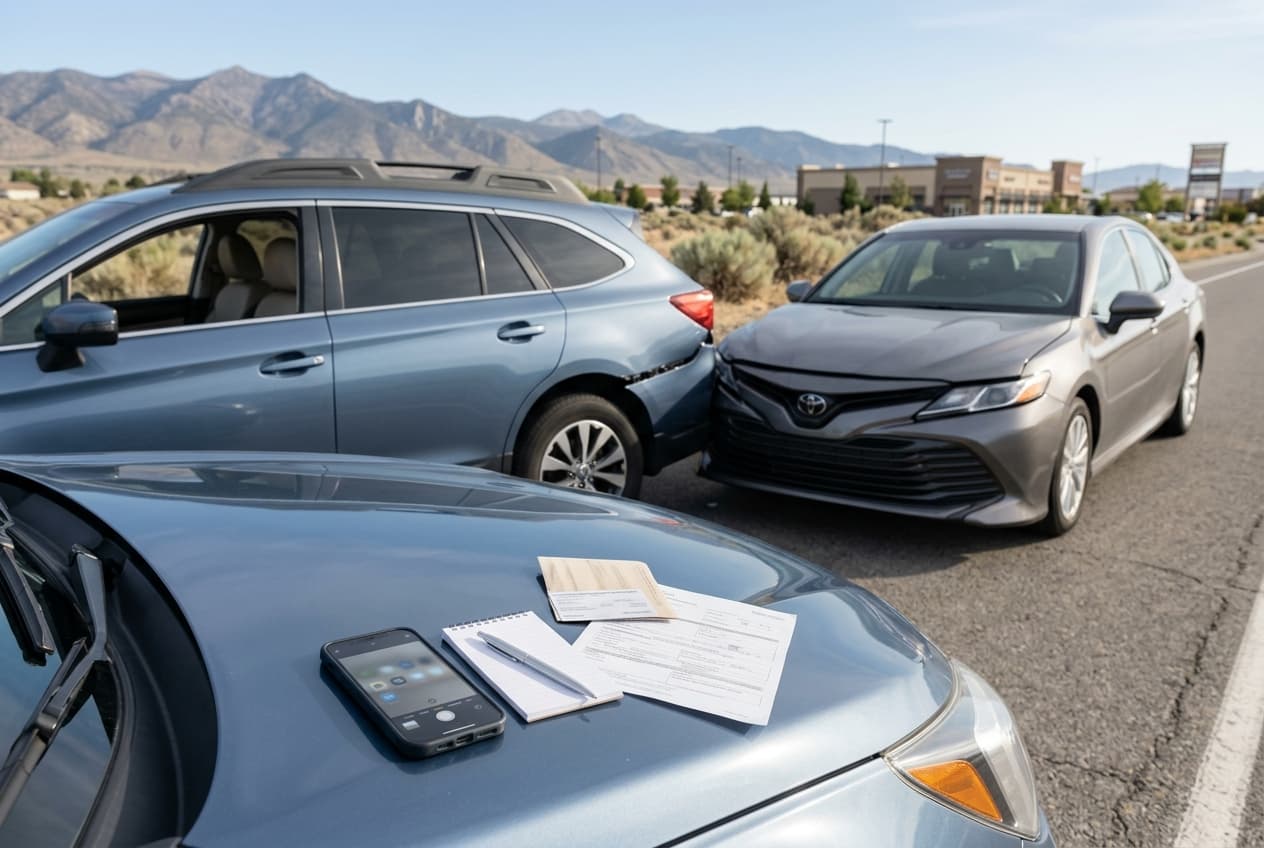
A car accident can leave you handling several problems at once. You may be worried about an injury, a damaged vehicle, missed work, or how to respond when an insurance representative calls.
After a collision in Carson City, prioritize immediate safety and appropriate medical care. You can address documentation and insurance questions as circumstances allow. No checklist covers every accident, but understanding common steps can help you organize information and recognize when individualized guidance may be useful.
The following guidelines explain practical considerations without predicting responsibility, insurance coverage, or the value of a potential claim.
Address Immediate Safety
Stop after the collision and assess whether anyone needs emergency assistance. Call 911 when injuries or immediate hazards require a response.
Nevada law imposes duties on drivers involved in crashes, including stopping, providing identifying information, and rendering reasonable assistance under applicable circumstances. Avoid standing in active traffic to examine damage or photograph vehicles. Follow instructions from emergency responders and tell the dispatcher about hazards you can identify.
Move vehicles only when safe and required by law. Do not assume that preserving their original positions is always the priority. Protecting people from additional danger comes first.
Exchange Identifying and Insurance Information
When circumstances allow, record the other driver’s name, contact information, vehicle registration details, and insurance information. Note the vehicle’s license plate and any relevant business identification.
When appropriate, take photos of documents to preserve details. Check that the images are readable and keep them securely. Remain factual and avoid arguments about responsibility. Describe what you observed without guessing about another driver’s intentions or actions you did not see.
Do not promise payment or assume that an apology determines legal fault. Questions about responsibility require considering the evidence and applicable law, not conclusions made during a stressful roadside conversation.
Cooperate With Responding Officers
Provide accurate information to officers investigating the crash. Explain your direction of travel, what you remember seeing, and any immediate concerns. If you do not remember a detail, say so. A clear acknowledgment of uncertainty is preferable to an estimate presented as fact.
Ask how to obtain report information and save the incident number if available. Nevada also has requirements concerning crash reports to the Department of Motor Vehicles, with specified exceptions. Confirm whether any additional reporting applies, rather than assuming an insurance claim satisfies all obligations.
Preserve Photographs and Scene Details
If safe and practical, photograph vehicle damage, road markings, traffic controls, and nearby landmarks. Include relevant road or weather conditions and damaged personal belongings. Preserve original files where possible rather than keeping only compressed copies. Keep these records secure.
Do not delay necessary treatment to collect evidence. If someone else helps document the scene, ask them to retain the original images.
Make a short note identifying the location, approximate time, and other details you remember. Distinguish direct observations from assumptions. Accurate documentation is useful even when you cannot capture every aspect of the collision.
Identify Witnesses and Potential Recordings
If someone says they witnessed the accident, ask for a name and contact information when appropriate. You do not need to conduct a detailed interview at the scene.
Note nearby businesses or vehicles that may have relevant cameras. Preserve your own dash camera recording promptly if one exists.
Tell an attorney about possible recordings early because some systems overwrite stored footage. Whether you can obtain footage will depend on the circumstances and the appropriate procedures.
Avoid coaching witnesses or repeatedly contacting them about what they should say. The objective is to preserve potential sources of information, not influence another person’s account.
Obtain Appropriate Medical Care
If you are injured, seek medical evaluation and describe your symptoms and the collision accurately. Ask questions about treatment recommendations and follow the provider’s instructions.
Keep appointment information, prescriptions, referrals, and available billing records. If symptoms change, communicate with the treating provider rather than drawing conclusions yourself. Do not assume that limited visible vehicle damage rules out injury. Likewise, avoid claiming a diagnosis that a qualified provider has not made.
Medical decisions should reflect your health needs. Documentation may later help explain treatment, but a legal claim should not determine whether you obtain necessary care or how you describe your condition.
Communicate Carefully With Insurers
Notify your insurer promptly and review applicable policy reporting requirements. Record the claim number and save correspondence. Provide accurate information and ask for clarification when a request is unclear. Insurance coverage depends on policy language and the circumstances of the accident.
If an insurer requests a recorded statement, medical authorization, or release, understand its purpose and scope before responding. Your obligations may differ depending on which insurer is making the request.
A legal consultation can help you evaluate unfamiliar documents. Avoid assuming that every request is inappropriate, but do not sign merely because you feel pressured to finish the process.
Track Expenses and Daily Effects
Create a file for repair estimates, towing charges, medical bills, transportation expenses, and related receipts. Include available records of missed work.
Brief factual notes can help you remember how injuries affected ordinary activities. Describe specific difficulties and record improvements as well as continuing problems.
Do not exaggerate symptoms or assume that every expense will be recoverable. The relevance and treatment of particular losses require individual review.
Keep records organized by date. This makes it easier to answer questions, identify missing information, and distinguish documented amounts from estimates when discussing the accident with an attorney or insurance representative.
Review Any Proposed Resolution
Before accepting a settlement, understand what the agreement covers and which rights it may release. Ongoing treatment, disputed responsibility, and unresolved expenses may warrant additional review.
No article can determine a fair settlement for your circumstances or guarantee recovery. Filing deadlines and other requirements may also need prompt attention.
To discuss a personal injury consultation, contact the Law Office of Mark A. Marsh in Carson City at (775) 882-8880 or visit markamarsh.com. Bring available accident records, insurance correspondence, and medical information so we can evaluate the relevant questions.
Disclaimer: This blog provides general educational guidelines about Nevada legal matters. It is not legal advice and should not be relied upon to make decisions about a particular situation. Laws, procedures, and individual circumstances can affect the applicable requirements and available options. Reading this blog or contacting the office does not, by itself, establish an attorney-client relationship. Consult a licensed attorney for advice specific to your circumstances. No outcome is promised or guaranteed.