
When Should You Update Your Will? A Checklist for Nevada Families
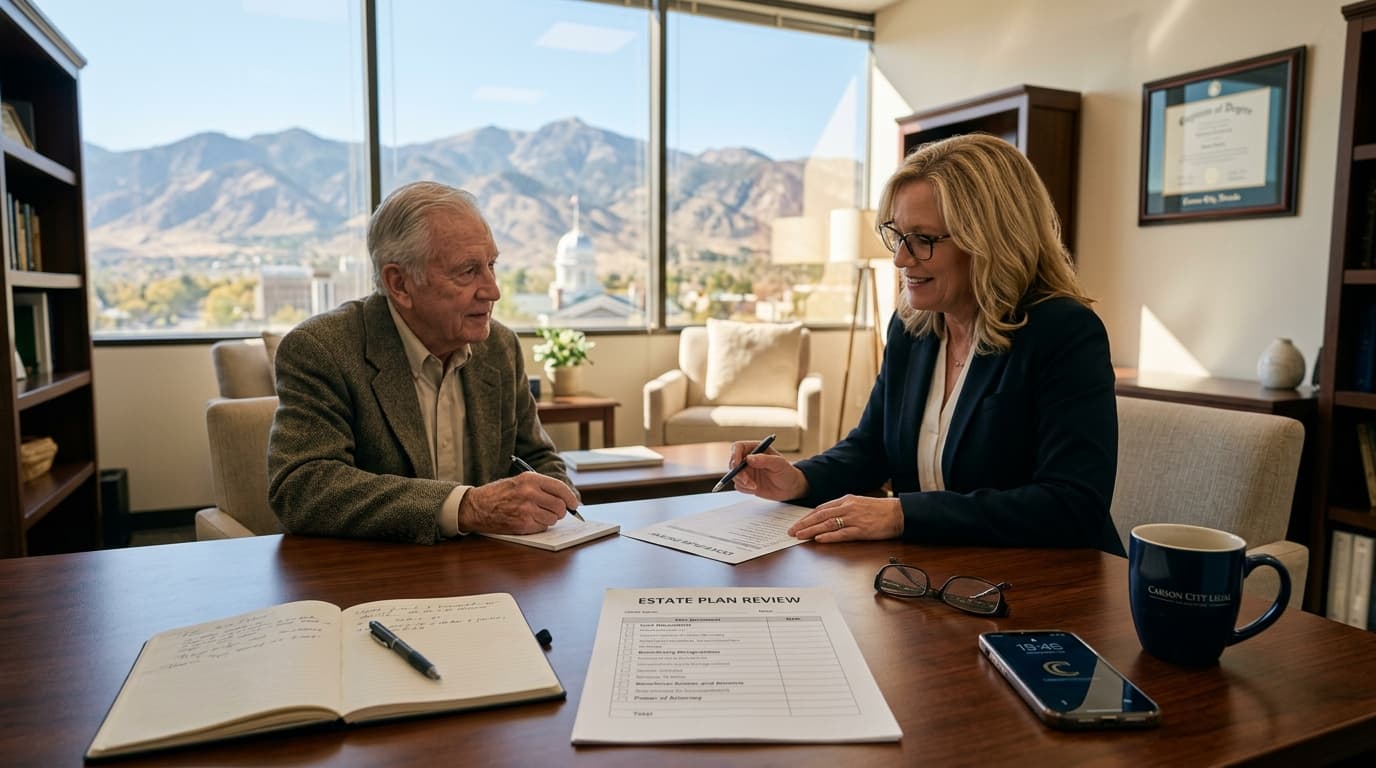
A will expresses your wishes, but those wishes may change as your life does. The document you signed years ago might name people who are no longer available, describe property you have sold, or reflect family circumstances that no longer exist.
For Nevada families, reviewing a will is a practical way to keep important records up to date. A review does not always require rewriting the entire document. Sometimes your attorney may recommend a limited amendment. In other situations, preparing a replacement may provide greater clarity.
The following checklist highlights circumstances worth discussing with an attorney when considering updating a will in Nevada.
Begin With an Annual Review
Choose a convenient time each year to read your existing will. January can work well because many households are already organizing financial records and setting priorities.
Check beneficiary names, gift descriptions, and the people nominated to administer your estate. Compare the document with your current intentions rather than relying on memory.
Write down questions as you read. If a provision seems unclear, bring it to your attorney instead of assuming you understand its effect. An annual review can reveal outdated instructions before a family member must interpret them.
Revisit Your Will After Marriage
Marriage can change both your personal wishes and the legal issues affecting your estate. You may want to provide for a spouse while also addressing children from an earlier relationship.
Nevada law includes provisions on how marriage affects an existing will. Whether those provisions affect a particular document depends on its language and the circumstances.
Bring your signed will and information about your family and property to a consultation. Explain your priorities openly. A thoughtful review can help identify questions about ownership, intended gifts, and how your planning documents should work together.
Review Documents After Divorce
Divorce is another important reason to revisit estate planning. The person previously named as a beneficiary or executor may no longer be your intended choice.
Nevada generally revokes certain will provisions benefiting a former spouse after divorce or annulment, subject to statutory exceptions. That does not eliminate the need to review your documents.
Ask about the effect of your divorce decree and whether a revised will is appropriate. Review related beneficiary designations separately. Don't assume a change to one document automatically updates every account, policy, or arrangement connected with your estate.
Consider Children and Growing Families
The birth or adoption of a child may change how you want to distribute property. Becoming a grandparent may also create new priorities around education, family keepsakes, or financial support.
Review whether the document identifies intended beneficiaries clearly. Discuss how property for younger beneficiaries would be managed and whether additional planning arrangements deserve consideration.
If you have minor children, ask about nominating a guardian and the legal significance of that nomination. Your preferences matter, but a will should not describe a nomination as an unconditional guarantee about a future court decision.
Check Your Executor and Alternatives
An executor nomination that made sense several years ago may need reconsideration today. Your chosen person may have developed health problems, moved, or become unwilling to serve.
Consider the practical responsibilities involved. Gathering records, communicating with beneficiaries, and addressing estate matters can require time and organization.
Talk with the person you are considering before making a change. Review any alternate nominee as well. An attorney can explain the role and help evaluate whether your document appropriately addresses situations in which a nominee cannot serve. Personal trust is important, but availability also deserves attention.
Review Significant Property Changes
Buying a home, selling real estate, receiving an inheritance, or acquiring a business interest can affect your planning priorities.
Update your list of significant assets and debts. Identify property specifically mentioned in your will, and note anything you no longer own. Include available information about account ownership and beneficiary designations.
Your attorney can help distinguish property potentially governed by the will from assets that may transfer through other arrangements. A will does not automatically control every asset. Coordinating these details can help you identify inconsistencies rather than leaving separate documents to express conflicting intentions.
Consider Changes Affecting Beneficiaries
A beneficiary’s circumstances may change even when your own situation remains stable. Someone may have died, developed a disability, or encountered difficulties managing money.
Explain these developments before deciding how to revise a gift. If a loved one receives public benefits, ask whether the proposed inheritance requires specialized planning.
Describe your goals without assuming a particular legal solution is appropriate. You may want to provide support, preserve flexibility, or address a changed relationship. Careful discussion helps your attorney understand the intended purpose of a revision and any practical concerns that need further evaluation.
Arrange a Review After Moving
Moving to Carson City from another state is a useful reason to review your documents. Nevada recognizes certain wills executed outside the state, so relocation alone does not necessarily invalidate an existing will.
Nevertheless, your property, family circumstances, and other planning documents may now require attention. Bring the complete signed document and identify property located elsewhere.
A review also lets you confirm contact information and discuss where you store originals. The objective is to understand whether the existing plan remains suitable, rather than automatically replacing documents simply because your address changed.
Make Revisions Through Appropriate Procedures
Don't assume handwritten changes, crossed-out provisions, or informal messages create an effective amendment. Legal execution requirements can affect whether your intended revision is recognized.
Nevada generally requires a conventional will to be written, signed, and witnessed by at least two competent witnesses. Other wills have separate rules.
Ask an attorney whether an amendment or replacement is appropriate and how to handle older versions. Keep the current original accessible to the appropriate person. Bring related planning documents so your attorney can evaluate potential inconsistencies across your overall arrangements.
To discuss a will review, contact the Law Office of Mark A. Marsh in Carson City at (775) 882-8880 or visit markamarsh.com.
Disclaimer: This blog provides general educational guidelines about Nevada legal matters. It is not legal advice and should not be relied upon to make decisions about a particular situation. Laws, procedures, and individual circumstances can affect the applicable requirements and available options. Reading this blog or contacting the office does not, by itself, establish an attorney-client relationship. Consult a licensed attorney for advice specific to your circumstances. No outcome is promised or guaranteed.