
Workers’ Compensation Claim Denied in Nevada? Understanding the Next Steps
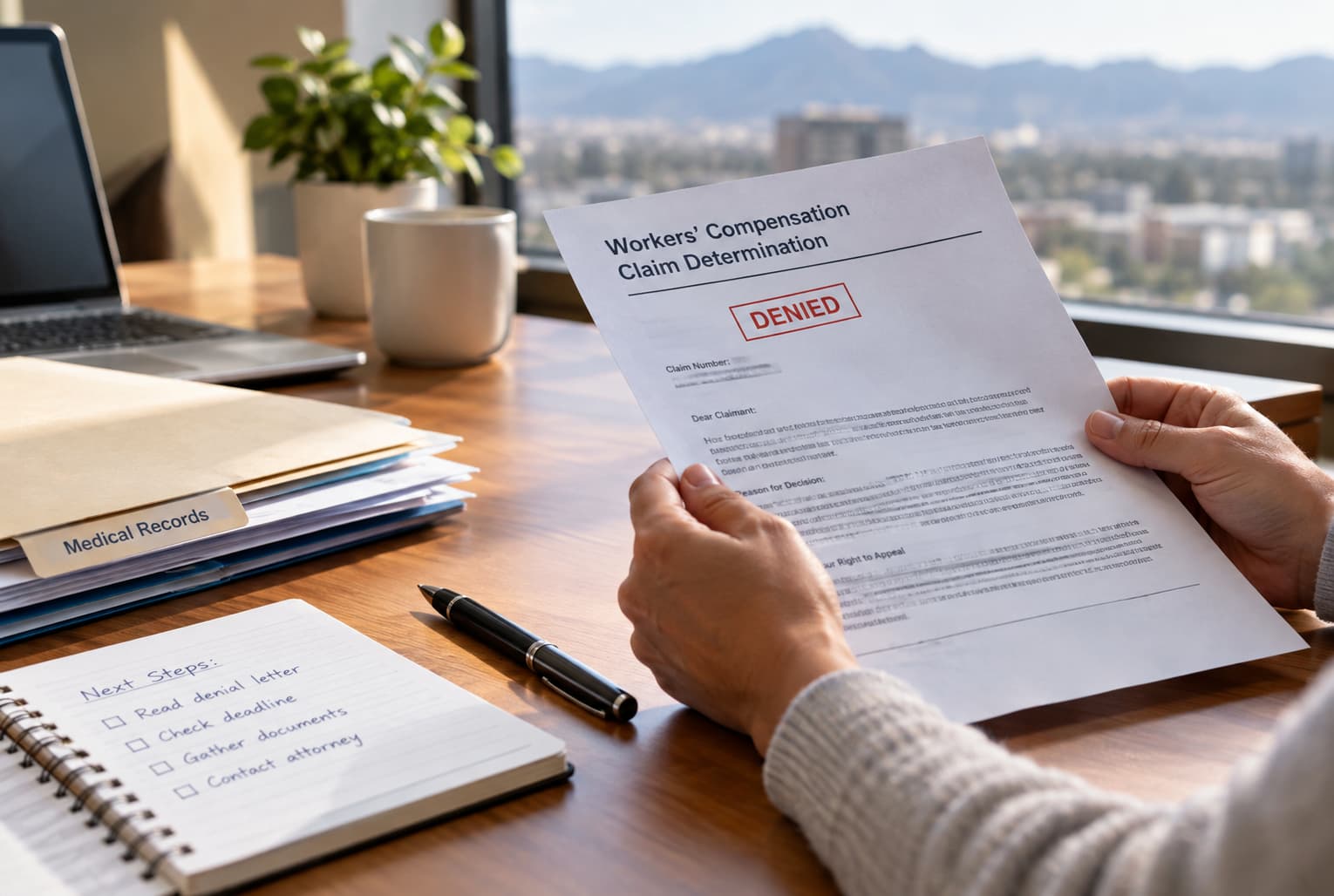
Receiving a workers’ compensation denial can be unsettling, especially when you are still recovering and worried about income. The letter may contain unfamiliar terms or leave you wondering whether the decision ends your options.
A denial does not necessarily mean that no further review is available. However, Nevada’s procedures include deadlines, and the appropriate response depends on the decision and circumstances. Waiting for another telephone call may create avoidable problems.
For injured employees in Carson City and Northern Nevada, the first priorities are understanding the written determination, preserving records, and identifying any required action. These guidelines explain issues worth discussing with an attorney.
Read the Complete Denial Letter
Read every page of the determination, including attachments and instructions. Identify what was denied, the stated reason, the date of the decision, and any information about review rights.
A denial of the entire claim differs from a disagreement about a particular treatment request, payment, or benefit. Understanding the issue helps you focus your next steps.
Keep the envelope and note when you received the documents. Save an electronic copy if practical.
If the wording is unclear, ask for an explanation without assuming that clarification changes a deadline. Bring the complete notice to anyone advising you.
Check the Deadline Promptly
Nevada generally provides seventy days after notification of an insurer’s determination to request a hearing concerning that decision. Exceptions and different procedures may apply to particular disputes.
Do not rely on this general description to calculate your own deadline. The notice, applicable law, and procedural circumstances require review.
A request asking the adjuster to reconsider should not be assumed to preserve formal appeal rights. Similarly, contacting an attorney does not, by itself, file a hearing request.
Obtain guidance promptly. If you believe a deadline has passed, ask about available options rather than assuming whether further action is possible.
Understand the Reason Given
The insurer may question whether the injury was work-related, whether you provided notice on time, or whether the available medical information supports the claim.
Read the explanation closely and distinguish it from your assumptions about why the claim was denied. Different reasons can require different information.
Prepare a short list identifying statements you believe are incorrect and the records that may address them. Avoid making unsupported accusations.
An attorney can evaluate whether the stated basis is supported and what additional evidence may be relevant. Disagreement alone does not establish that the insurer acted unlawfully or that an appeal will succeed.
Organize Your Original Claim Records
Gather the C-1 injury notice, C-4 claim form, employer communications, and available medical records. Include copies showing when documents were submitted.
Write a brief timeline of the incident, reporting, treatment, and insurer correspondence. Separate dates you can verify from those you only estimate.
If a document is missing, identify who may have a copy. Do not recreate signatures or alter records to fill a gap.
Nevada distinguishes reporting an injury from filing a compensation claim. Reviewing both steps can help identify the precise issue without assuming that completing one form fulfilled every requirement.
Review Medical Information Accurately
Medical records may help explain your symptoms, diagnosis, treatment, and the provider’s assessment of how the condition relates to work.
Tell your attorney about relevant prior conditions and earlier treatment. Concealing information can create confusion and does not resolve a causation dispute.
If a report appears inaccurate, ask the provider about appropriate clarification procedures. Do not pressure anyone to change an opinion simply to support your position.
Additional evaluation may be relevant in some cases, but no particular report guarantees approval. The significance of medical evidence depends on the issue being reviewed and the applicable legal standards.
Preserve Witness and Workplace Information
Identify people who observed the incident or received your initial report. Record available contact information and explain what each person may know.
Save relevant messages, photographs, schedules, or other documents you already possess or can lawfully obtain. Keep the context of communications rather than isolated excerpts.
Do not enter restricted systems or access someone else’s accounts without permission. Ask about appropriate procedures for obtaining missing information.
Witnesses should provide their own recollections. Avoid suggesting facts or asking anyone to repeat an account they did not observe. Reliable evidence matters more than assembling statements that merely sound favorable.
Prepare for the Appropriate Review Process
A hearing request should follow the applicable instructions and identify the determination being challenged. Confirm the required filing method and keep proof of submission.
Ask what happens next, how notices will arrive, and whether you must provide additional documents. Procedures can differ depending on the dispute.
Preparation may involve reviewing records, identifying witnesses, and addressing the specific reason for denial. An attorney can explain the relevant process.
Do not assume that a hearing automatically results in benefits or that later review is unnecessary. Further steps may have separate requirements and deadlines requiring prompt attention.
Continue Addressing Practical Needs
A disputed claim does not remove the need for appropriate medical care. Discuss treatment questions with qualified providers and ask how payment arrangements are being handled.
Keep updated records of work restrictions, missed shifts, and relevant expenses. Communicate accurately with your employer about documented restrictions and availability.
Avoid assuming that an appeal automatically authorizes every treatment or provides immediate wage replacement. Ask about the status of particular benefits.
If finances are becoming difficult, describe those concerns during consultation. Legal options and practical resources may need separate evaluation, and neither should be presented as guaranteed relief.
Seek Individual Guidance
A workers’ compensation denial deserves careful review, especially as a deadline approaches. Organized records can make the discussion more useful, but an incomplete file should not prevent you from seeking timely assistance.
For information about a denied claim consultation, contact the Law Office of Mark A. Marsh in Carson City at (775) 882-8880 or visit markamarsh.com. Bring the determination and available supporting documents. During that discussion, identify your immediate concerns so the review addresses both procedural requirements and questions about your current circumstances.
Disclaimer: This blog provides general educational guidelines about Nevada workers’ compensation matters. It is not legal advice and should not be relied upon to calculate deadlines or determine eligibility for benefits. Laws, procedures, and individual circumstances affect the applicable requirements and available options. Reading this blog or contacting the office does not, by itself, establish an attorney-client relationship. Consult a licensed attorney for advice specific to your circumstances. No outcome is promised or guaranteed.